You've designed a stunning modular exhibition stand. The visuals are on point. The client's signed off. Now comes the part that can make or break the whole project: getting it built properly at the NEC.
For stand designers, understanding the logistics and installation process isn't just helpful. It's essential. The NEC Birmingham is one of the busiest exhibition venues in Europe, hosting hundreds of events each year. And with that scale comes specific requirements, tight build schedules, and the need for an exhibition stand build team you can actually rely on.
This guide walks you through everything you need to know about modular exhibition stand installation at the NEC: from venue regulations to choosing the right installers for systems like BeMatrix and Octanorm.
Why Modular Systems Dominate at the NEC
Modular exhibition stands have become the go-to choice for designers working at major UK venues. And for good reason.
These systems use interchangeable components: typically available in one-metre sections: that can be configured and reconfigured for different spaces. Whether you're working with a 3×3 shell scheme footprint or a 200sqm island stand, modular gives you the flexibility to scale.
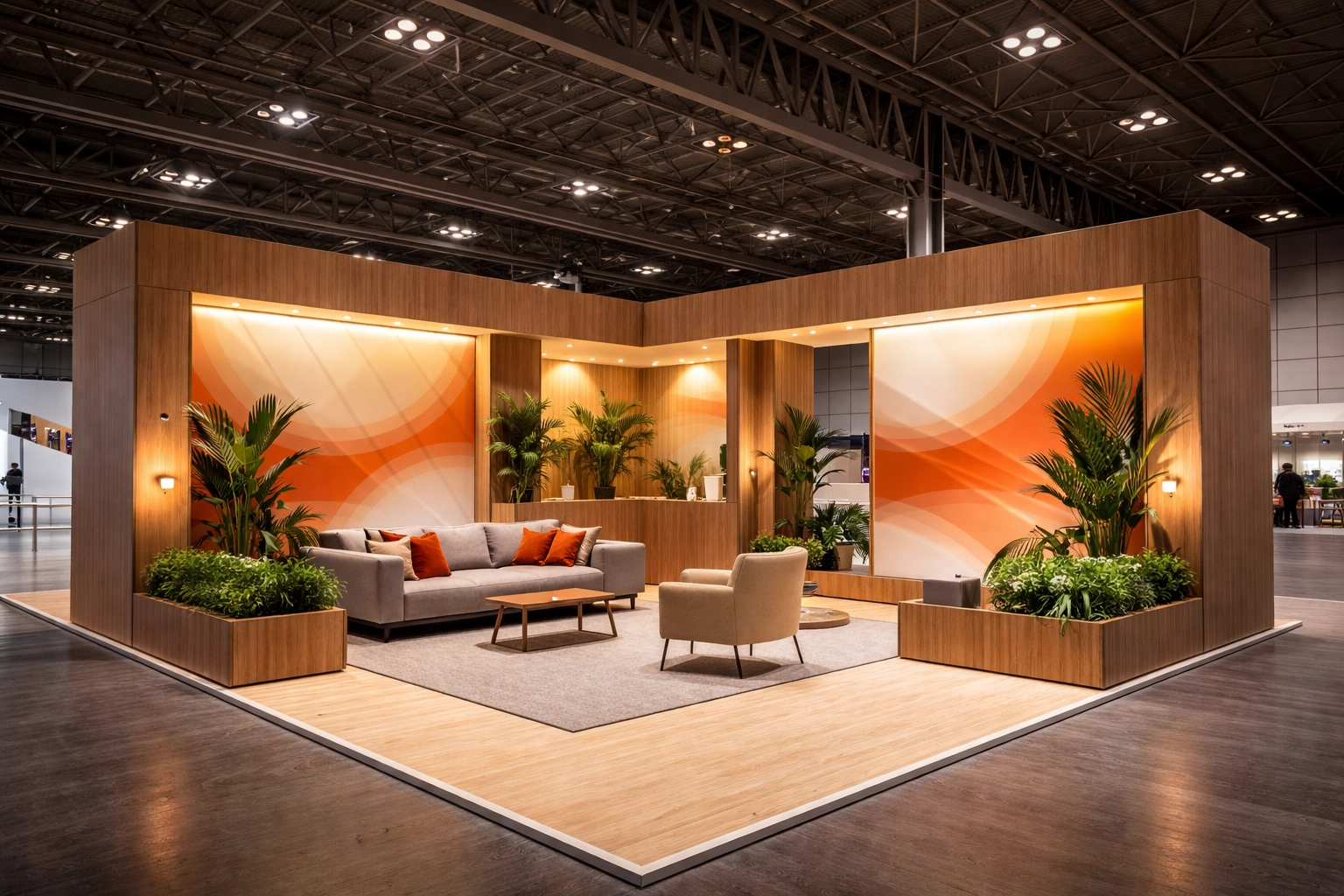
BeMatrix and Octanorm are two of the most widely used modular systems in the UK exhibition industry. Both use lightweight aluminium frames with strong connectors, making them ideal for the fast-paced build and breakdown schedules at the NEC.
The key advantages for designers include:
- Reconfigurability – Components can be dismantled and rebuilt to suit different stand sizes and layouts
- Quick setup – Tool-free or minimal-tool assembly speeds up build times significantly
- Sustainability – Reusable frames reduce waste and support your client's environmental goals
- Cost efficiency – One system can be used across multiple events, reducing overall project costs
But here's the thing: modular systems are only as good as the team installing them.
Understanding NEC Venue Requirements
Before your design hits the show floor, you need to understand what the NEC allows and what it doesn't.
One of the most important rules: all stand structures must be completely self-supporting. There's no suspension from roof elements or fixing to hall structures. This means your modular design needs to account for stability without relying on external support.
The NEC also operates strict build-up and breakdown windows. Depending on the event, you might have anywhere from a few hours to a couple of days to get the stand installed. Miss your slot, and you're looking at penalties: or worse, an incomplete build when the doors open.
Working with experienced exhibition stand builders who know the NEC inside out makes a real difference here. They'll understand the loading bay schedules, hall access routes, and how to work efficiently within the venue's parameters.
The Installation Process: What to Expect
If you're specifying a modular system for your client, it helps to understand exactly what happens during installation. Here's a typical breakdown:
1. Rigging and Preparation
For stands with suspended elements: lighting rigs, hanging signage, or overhead features: the installation team coordinates with the venue's rigging crew before the main build begins. This needs to happen early in the schedule to avoid delays.
2. Frame Assembly
The aluminium frame goes up first. With systems like BeMatrix, this involves connecting modular panels using magnetic rods or clip connectors. A skilled team can have the main structure standing in a matter of hours.
3. Lighting and Features
Once the frame is secure, lighting connections are made and bespoke features are attached: product showcases, edge-lit acrylic panels, integrated screens. This stage requires careful handling to ensure nothing comes loose during the event.
4. Graphics Attachment
High-quality graphic panels are attached to the frame and positioned to ensure seamless alignment across the stand. This is where your design really comes to life.
5. Handover
Before the show opens, the installation team walks the client through the stand: showing them how everything works and making sure they're happy with the result.
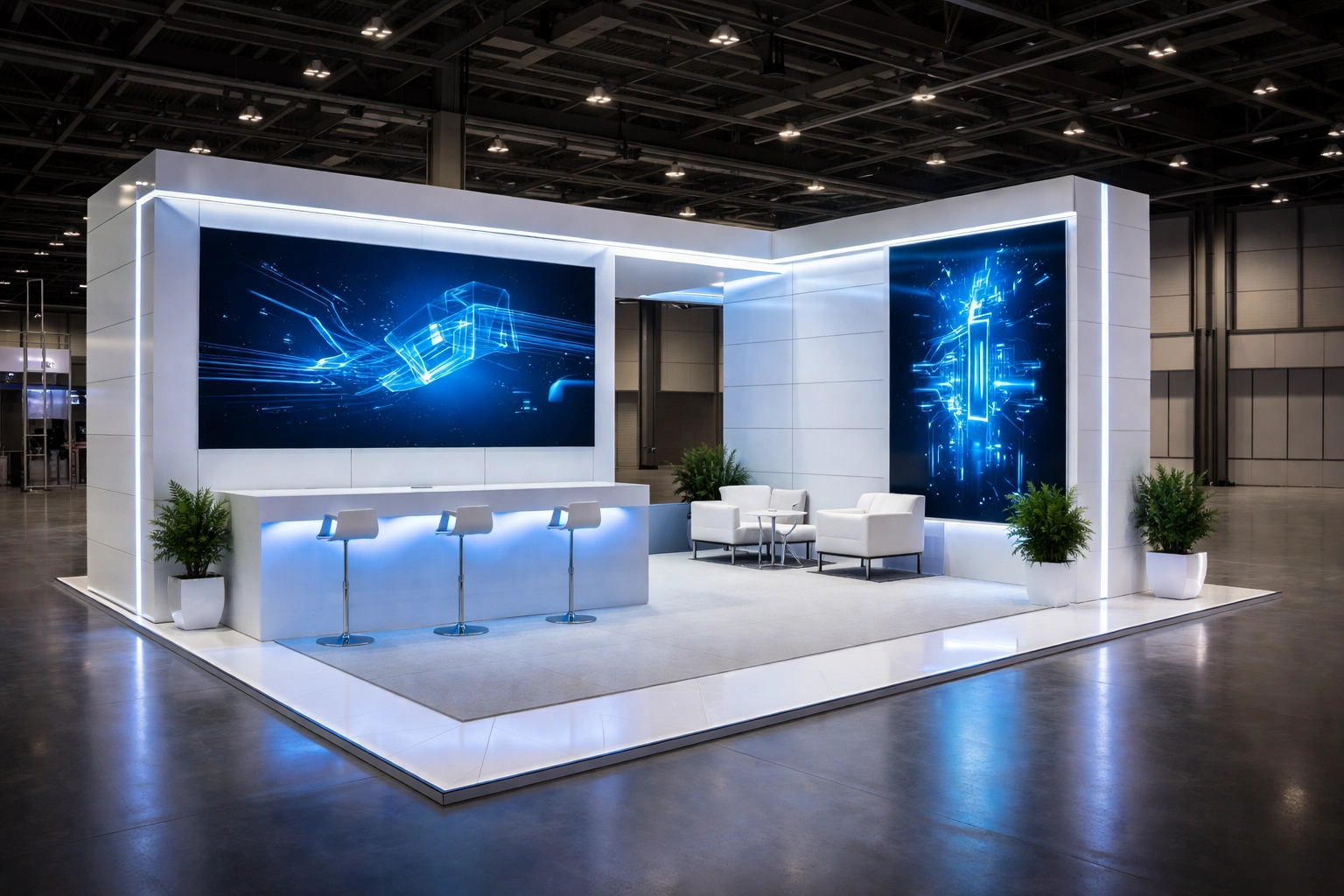
The entire process can take anywhere from a few hours for smaller builds to a full day or more for complex installations. The key is having an exhibition stand build team that understands modular systems and can work to tight deadlines without cutting corners.
Why Skilled Labour Makes the Difference
Here's what separates a smooth NEC build from a stressful one: the people doing the work.
Modular systems might be designed for efficiency, but they still require skilled hands. Frames need to be level. Graphics need to be aligned perfectly. Lighting needs to be wired safely. And everything needs to happen within the build window.
When you're sourcing BeMatrix installers or Octanorm installers, you want teams who've worked with these systems hundreds of times before. They'll know the quirks. They'll spot potential problems before they become actual problems. And they'll work with the kind of precision that makes your design look exactly as intended.
At The Exhibition Labour Company (TELCO), we supply experienced labour teams who specialise in modular exhibition stand installation. Our crews work with BeMatrix, Octanorm, and other leading systems across the UK's major venues: including the NEC Birmingham.
We're not just bodies on the show floor. We're skilled professionals who understand what stand designers need: on-time builds, attention to detail, and zero drama.
Planning Your NEC Installation
Good installation starts long before the build-up window opens. Here's how to set your project up for success:
Confirm Your System Early
Make sure your client knows exactly which modular system you're specifying: and that your labour supplier has experience with it. BeMatrix and Octanorm might both be modular, but they have different connection methods and assembly requirements.
Book Your Labour in Advance
The NEC hosts some of the UK's biggest exhibitions. Build crews get booked up fast, especially during peak season. Lock in your exhibition stand build team as early as possible to avoid last-minute scrambling.
Share Detailed Build Plans
The more information your installers have, the smoother the build will go. Provide floor plans, frame layouts, graphic positioning guides, and any special instructions for bespoke elements.
Allow Time for Snags
Even the best-planned builds can hit unexpected issues. Build in buffer time where possible, and make sure your labour team knows how to reach you if decisions need to be made on-site.
TELCO: Your Trusted Partner for NEC Installations
We've been supplying skilled labour to the UK exhibition industry for years. Our teams have worked on everything from compact pop-up stands to large-scale custom builds at venues across the country.
But the NEC Birmingham is where we really shine.
Our crews know the venue. They know the access routes, the build schedules, and the little details that make NEC installations run smoothly. Whether you need BeMatrix installers, Octanorm installers, or general stand build support, we've got you covered.
What you get with TELCO:
- Experienced, vetted labour – Our teams are trained in modular system installation and know how to deliver professional results
- Nationwide coverage – We work at venues across the UK, but the NEC is one of our core locations
- Flexible scheduling – We work around your build windows, not the other way around
- Reliable communication – You'll always know who's on-site and how the build is progressing
We're also proud members of ESSA (Event Supplier and Services Association), which means we're committed to the highest industry standards.
Ready to Brief Your Build Team?
Designing a modular stand for the NEC is only half the job. Getting it installed properly: on time, on budget, and looking exactly as you envisioned: requires the right labour partner.
If you're planning an upcoming exhibition at NEC Birmingham and need a reliable exhibition stand build team, we'd love to hear from you.
Get in touch with TELCO to discuss your project, or learn more about our services and how we support stand designers across the UK.
Leave a Reply